Home

Work

My Story

A circular logo with the words 'USER EXPERIENCE - USER INTERFACE - CREATIVE DIRECTION' encircling 'ARCHITECT OF THE UNSEEN' in the center, featuring the initials 'DM' at the top.

Articles

Studio TrueForm

Contact

A circular logo with the words 'USER EXPERIENCE - USER INTERFACE - CREATIVE DIRECTION' encircling 'ARCHITECT OF THE UNSEEN' in the center, featuring the initials 'DM' at the top.

Home

Work

My Story

A circular logo with the words 'USER EXPERIENCE - USER INTERFACE - CREATIVE DIRECTION' encircling 'ARCHITECT OF THE UNSEEN' in the center, featuring the initials 'DM' at the top.

Articles

Studio TrueForm

Contact

Tuesday, June 3, 2025

Project Overview

What was the challenge?
SpotOn was a fast-growing fintech company with strong sales performance but weak brand clarity, fragmented UX, and no shared understanding of why the business worked.

What was the goal?
Align brand, UX, and product experience to support long-term growth, trust, and scalability.

My role:
Lead UX Strategist, Design Lead, and UX Consultant working across brand, product, and organizational layers.

Context and Problem Definition

When I joined SpotOn, the company was performing well commercially, largely due to a strong sales network. However, internally and externally, there was no clear articulation of:

  • Why customers trusted the product

  • What differentiated SpotOn from competitors

  • How brand, product, and customer experience connected

This created friction across sales, marketing, and product teams, and weakened the perceived credibility of the platform despite strong fundamentals.

Stakeholders had ambitions to scale significantly, but deals were often compromised by inconsistent visual presence, unclear messaging, and a lack of strategic UX thinking.

Research and Discovery

Instead of starting with a visible rebrand, I intentionally embedded myself inside the organization for nearly two months to observe workflows, decision-making patterns, and cultural dynamics without disrupting existing operations.

Research Activities
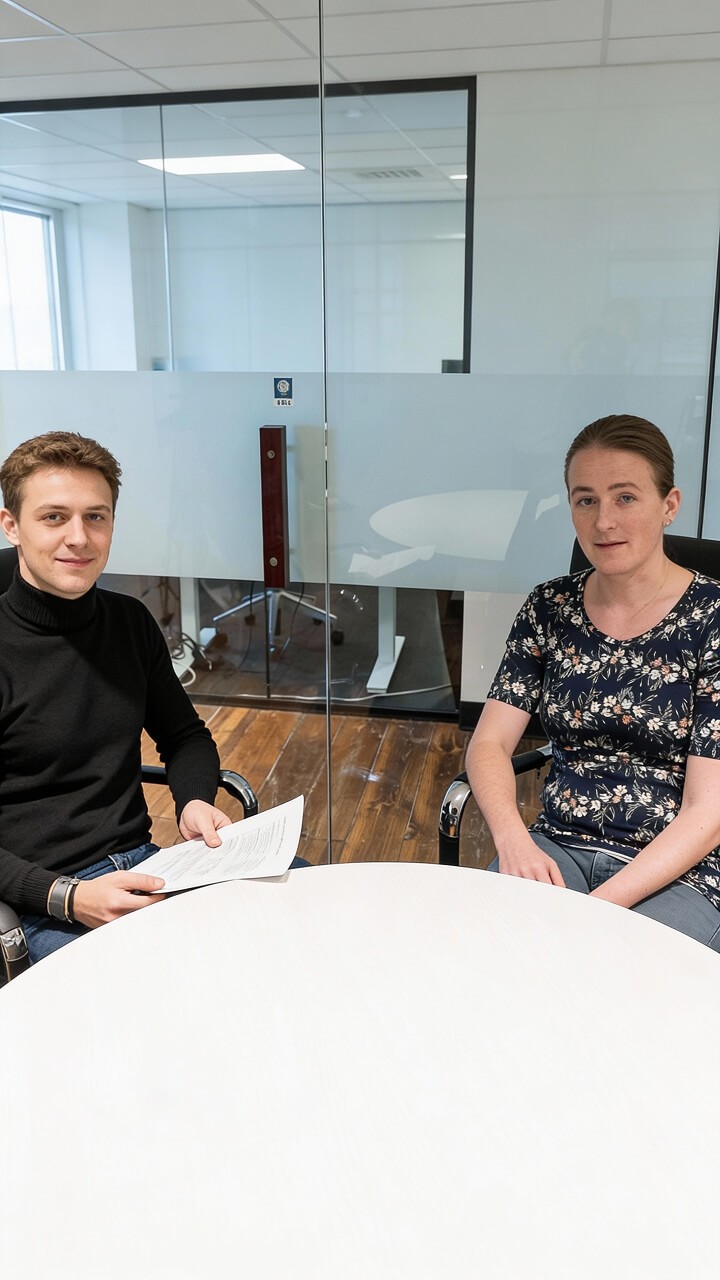

“In-depth UX research interview conducted in a glass-walled meeting room, with a researcher and participant seated at a table reviewing discussion notes.”
  • 25x 60-minute in-depth interviews with customers

  • Additional internal interviews with sales partners, dealers, and business owners across the US

  • Cross-functional workshops with product owners and stakeholders

  • Collaboration with Kantar to conduct structured research on the US market

Outcome:
A reliable, data-backed understanding of how SpotOn was perceived and where trust was breaking down across touchpoints.
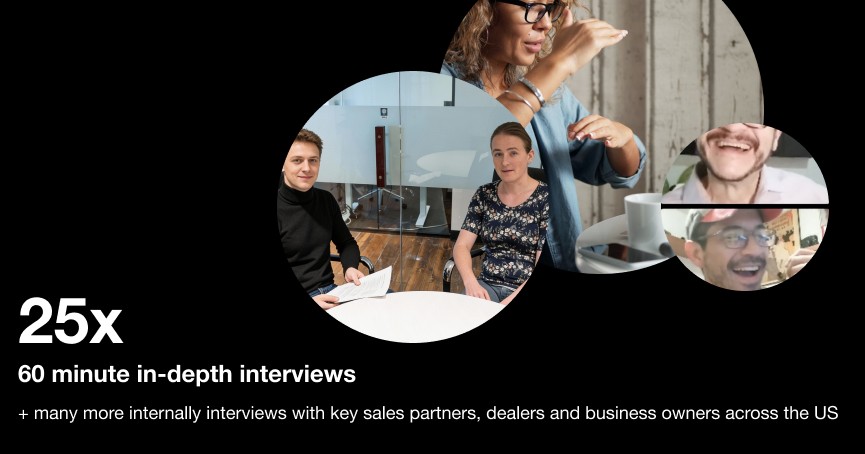
“Visual summary of UX research activities highlighting 25 in-depth customer interviews and additional stakeholder conversations across the US market.”


Strategy: Rebranding in Service of UX

The sole purpose of the rebrand was a holistic UX intervention not just a visual redesign for aesthetics.

I acted as a UX consultant, ensuring that brand decisions supported usability, comprehension, and trust rather than existing as a parallel marketing exercise.

Key Strategic Principles

  • Brand strategy and UX strategy were treated as one system

  • Visual identity decisions were validated against user understanding and behavior

  • Brand consistency was used to reduce cognitive load across products and channels

Defined Outputs

  • Tone of voice

  • Brand personality and attributes

  • Perceptual map

  • Verbal brand drivers

  • Manifesto, mission, and vision

These elements became UX tools, guiding interface language, product flows, and customer communication.
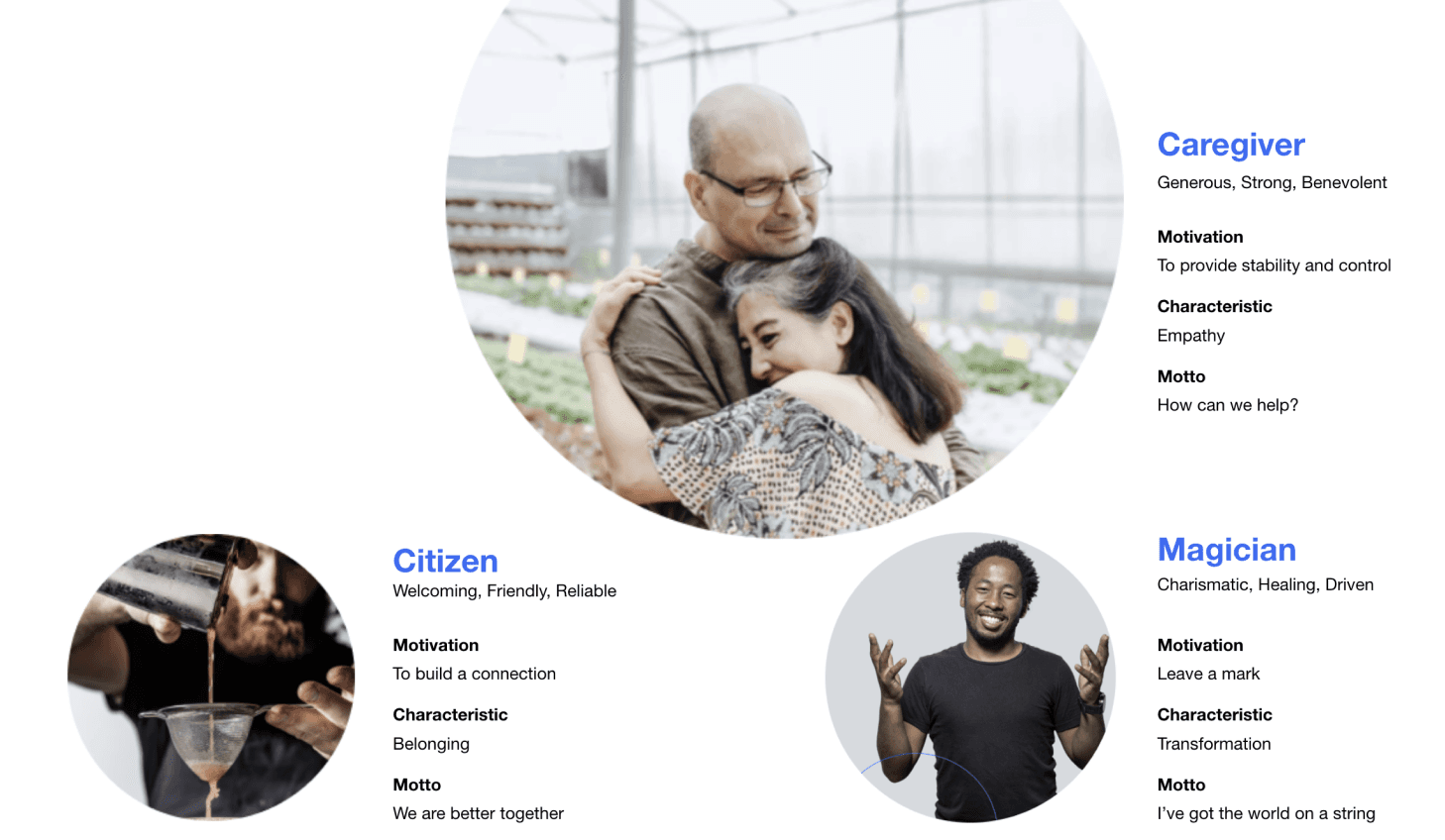
“Brand archetype framework illustrating Caregiver, Citizen, and Magician personas with motivations, characteristics, and guiding principles used in UX strategy.”

Design System and Experience Execution

To operationalize the strategy, we built systems that could scale.
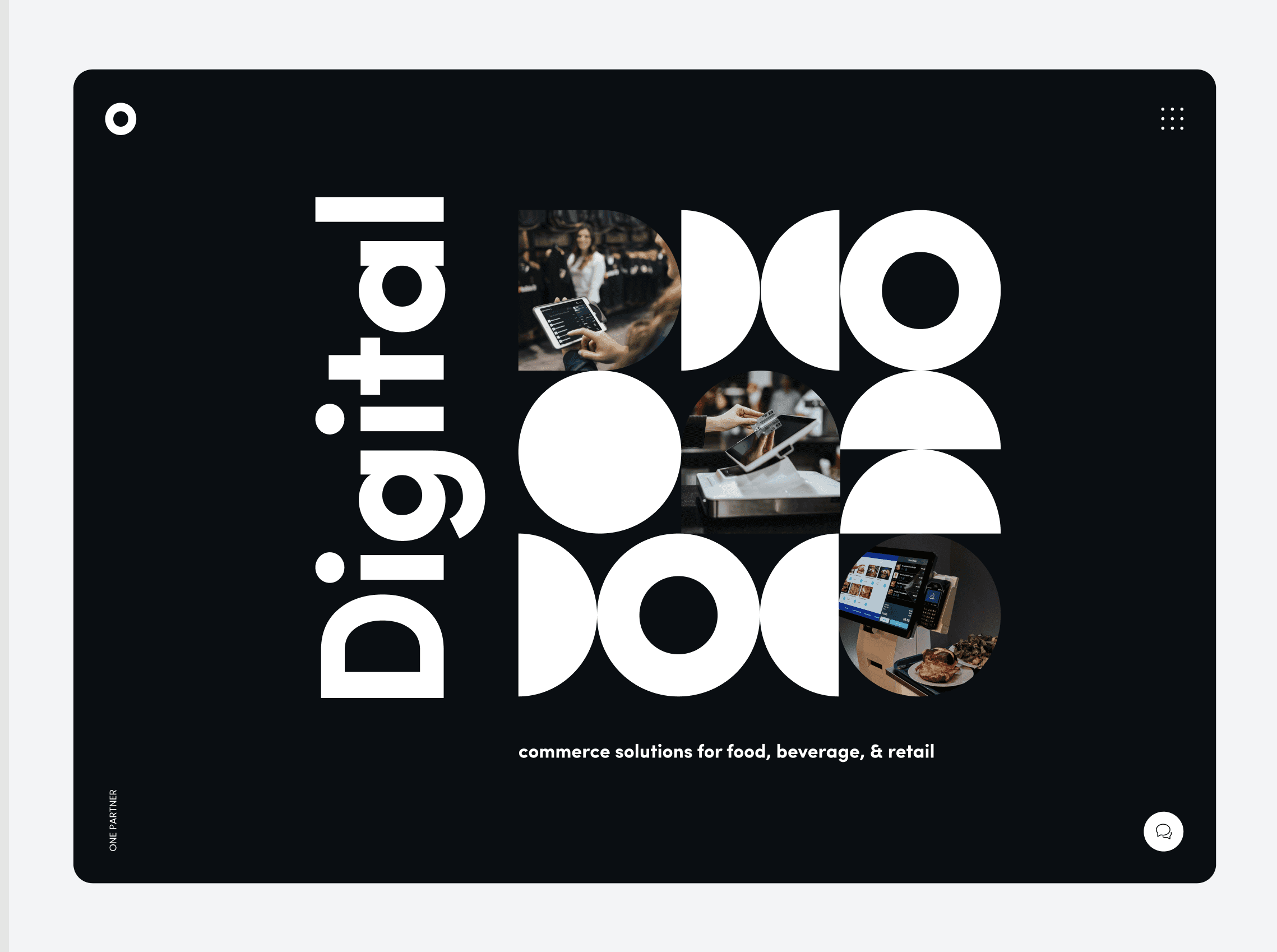

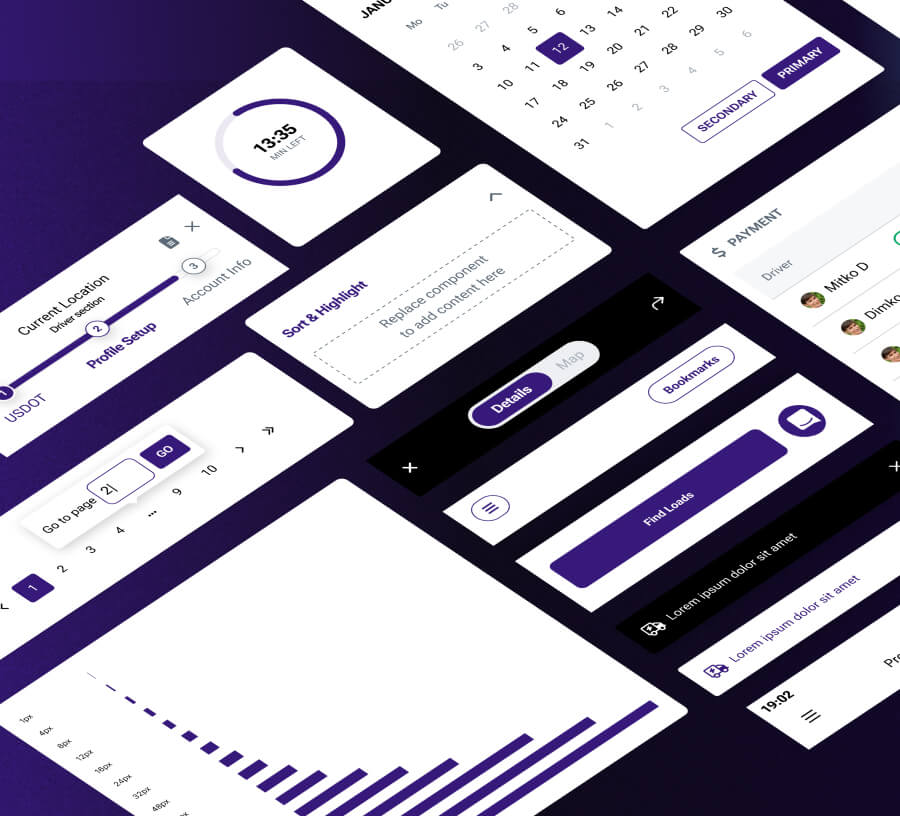
“Digital brand system layout showcasing a modular identity designed for scalable digital products and consistent UX execution.”


Key Deliverables

  • Unified brand guidelines designed for real-world usage

  • A new email design system aligned with product UX

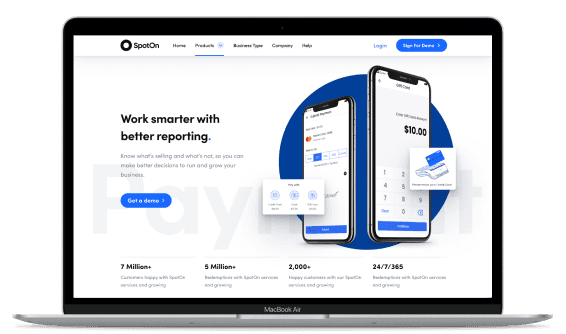
  • Full website redesign driven by UX goals

  • UX copywriting aligned with brand voice

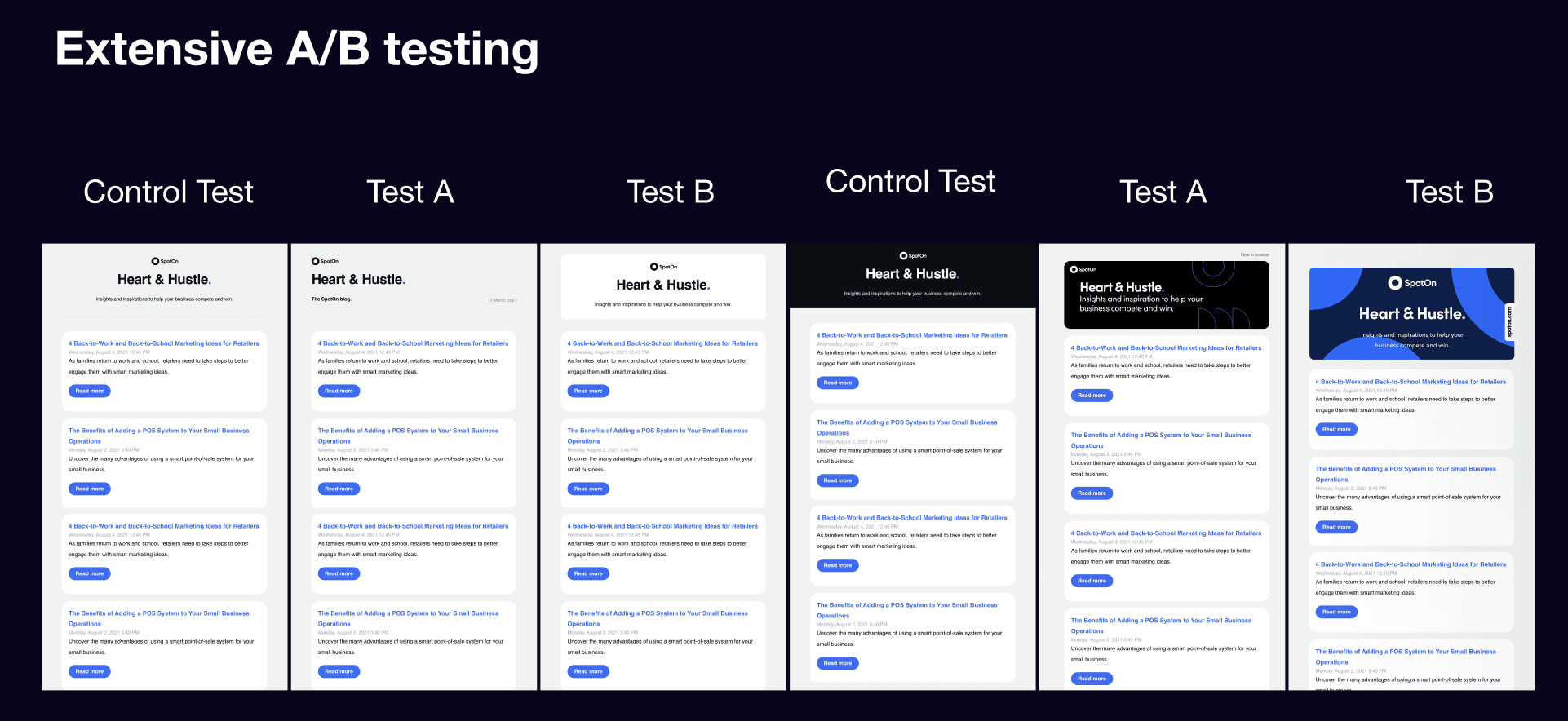
  • Extensive A/B testing across marketing and product touchpoints

Every product owner was actively involved, ensuring alignment and long-term adoption.
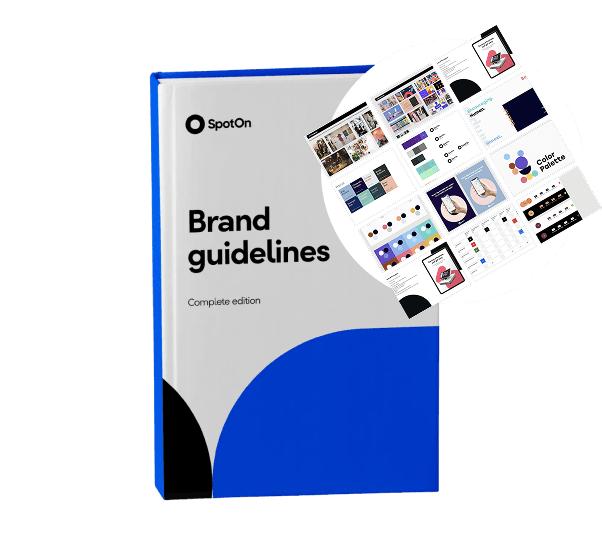

“SpotOn brand guidelines document presenting visual standards, UI components, and design rules used to align brand and product UX.”

Product and Platform UX Impact

The rebrand extended beyond screens.

UX-Led Initiatives

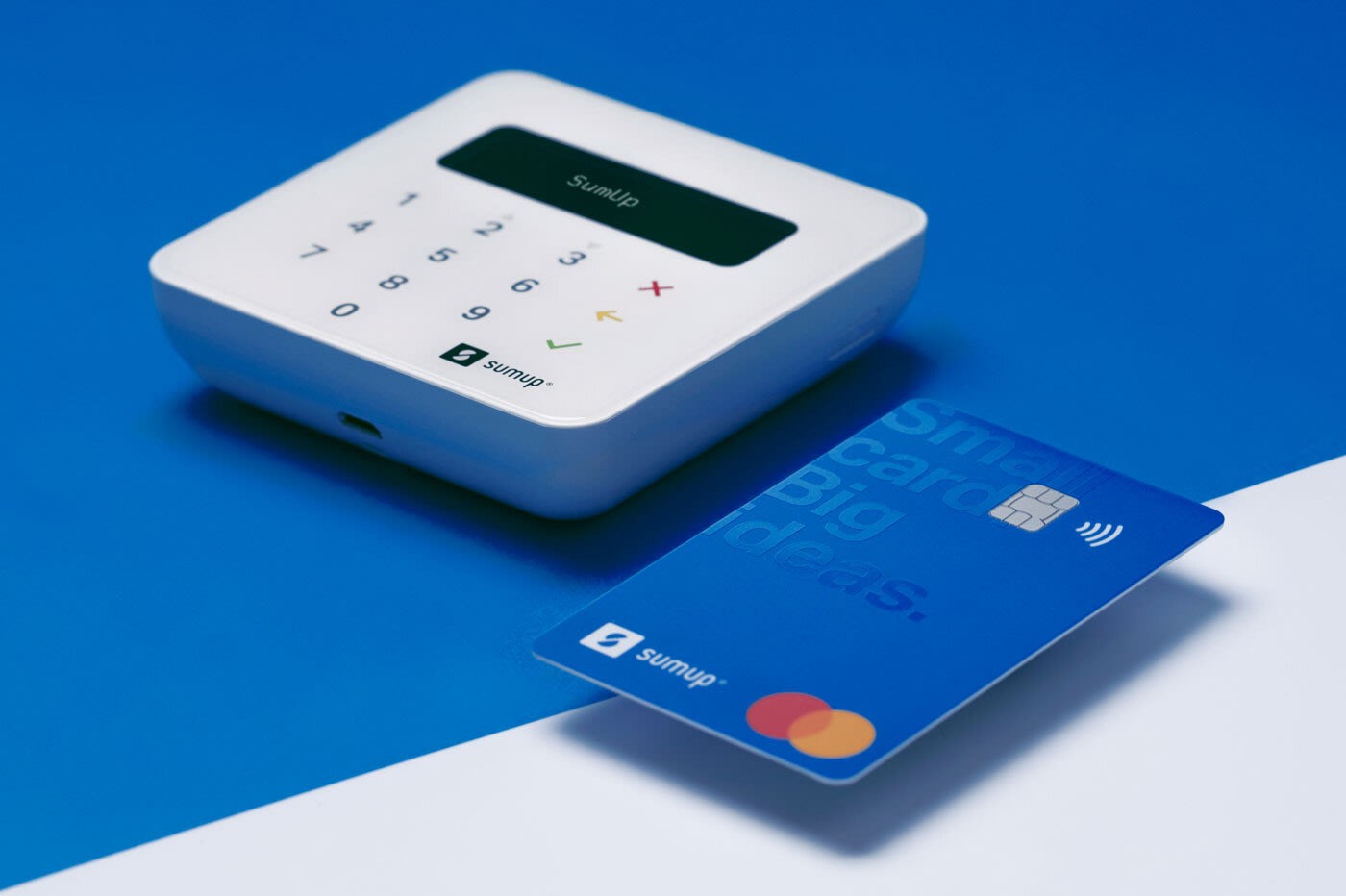
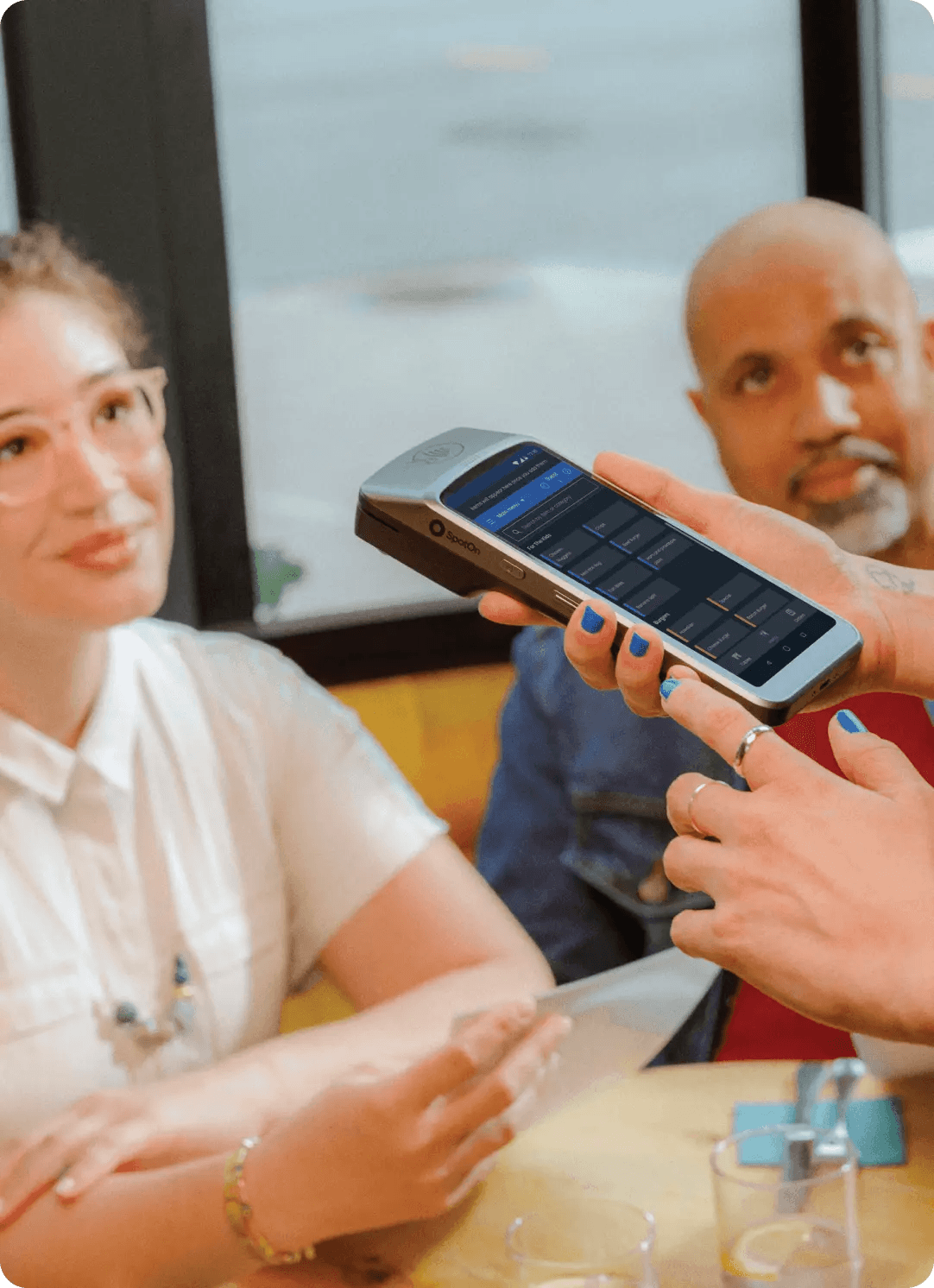
  • Launch of a new flagship hardware device

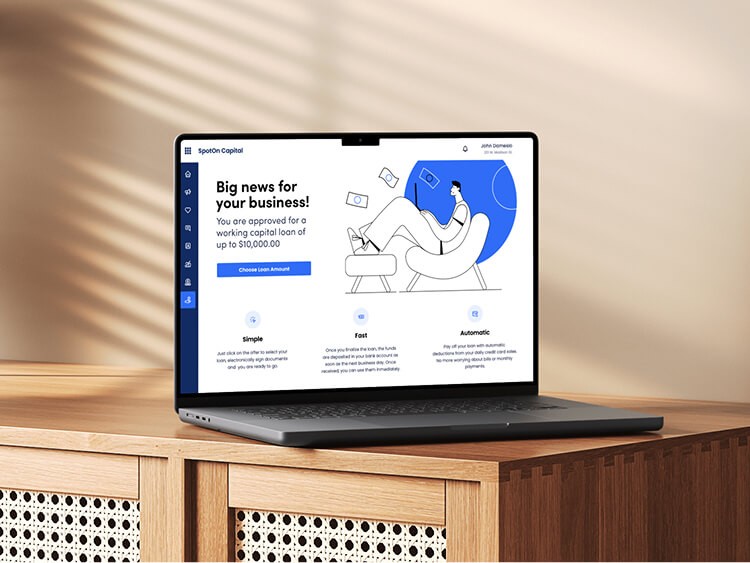
  • SpotOn Capital dashboard redesign focused on clarity and trust

  • Office branding aligned with customer-facing experience

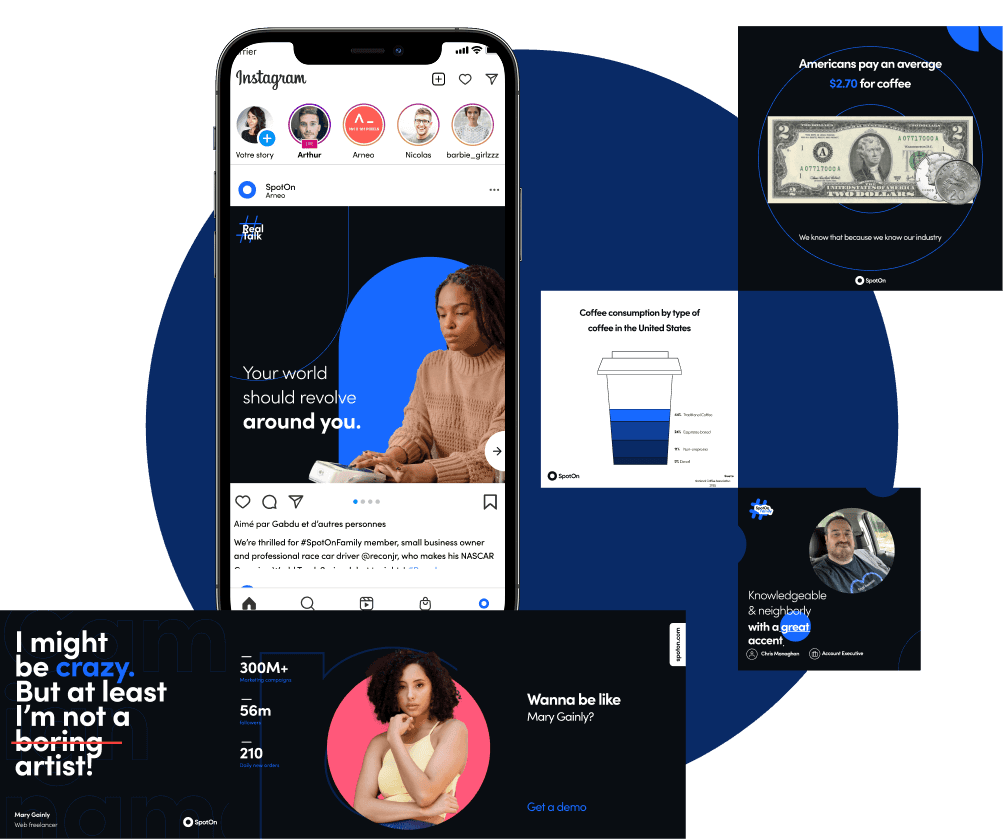
  • Social media and content revamp guided by UX principles

UX research directly informed product decisions, including terminal design, merchant pain points, and onboarding flows.
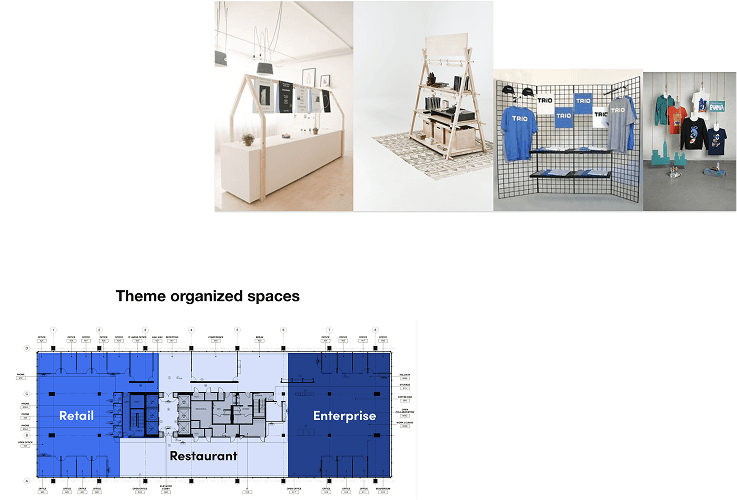
“UX-driven product and spatial design concepts showing retail layouts, merchandising systems, and experience-led environment planning.”UX-driven product and spatial design concepts showing retail layouts, merchandising systems, and experience-led environment planning.


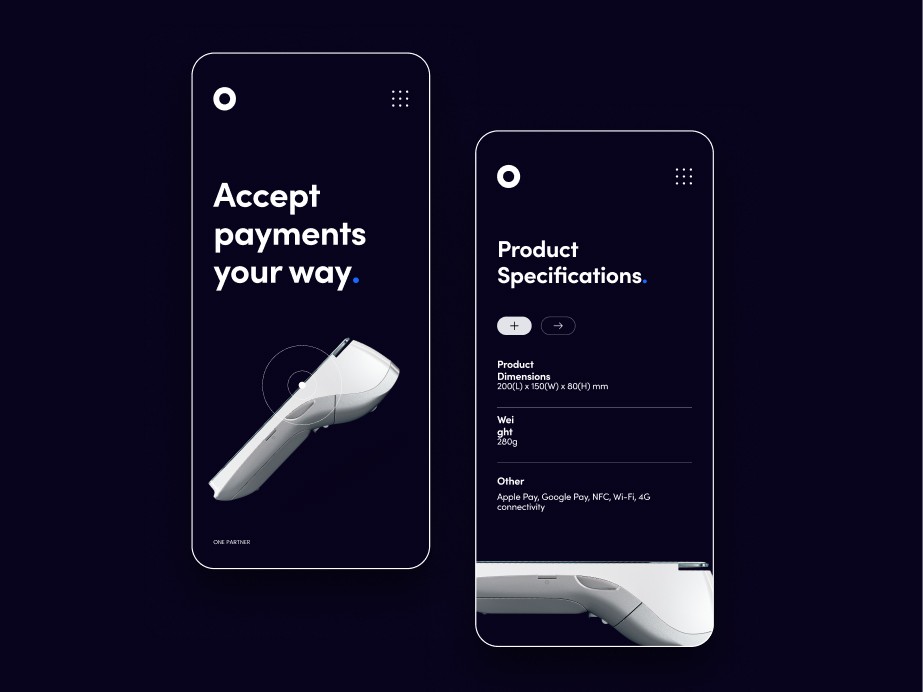
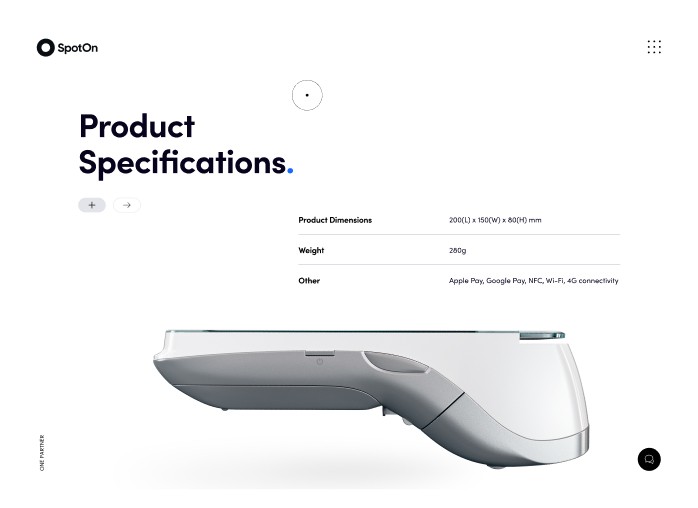
“Product specifications page displaying hardware dimensions, weight, and supported features for a payment terminal device.


“Laptop displaying a financial dashboard interface focused on clarity, approval status, and business insights for merchants.”


“Results section highlighting business growth, improved UX consistency, and stronger trust signals across brand and product touchpoints.”


Results and Business Impact

  • Company valuation grew from ~$700M (2019) to ~$4B (2021)

  • Clear internal alignment across product, sales, and marketing

  • Improved customer experience consistency across all touchpoints

  • Stronger trust signals in both brand and product UX

Team and Collaboration

This project was a true team effort, and the progress achieved was made possible by strong collaboration across the entire SpotOn card team.

Key Learnings

  • Rebranding works best when treated as a UX system, not a visual layer

  • Trust is built through consistency, not novelty

  • UX strategy must influence brand decisions early, not after launch

  • Organizational alignment is as critical as interface quality


Business owner using a laptop in a workshop environment with a financial repayment interface overlaid, representing product impact on daily operations.


Tools and Methods Used

  • User interviews and qualitative research

  • UX strategy and facilitation

  • Design systems

  • UX copywriting

  • A/B testing and tracking

  • Cross-functional collaboration

  • Advocated for design thinking


    Collection of social media posts, data visuals, and brand content layouts used for UX-led marketing experimentation.


    A/B testing comparison showing control and variant email layouts tested for clarity, engagement, and conversion.


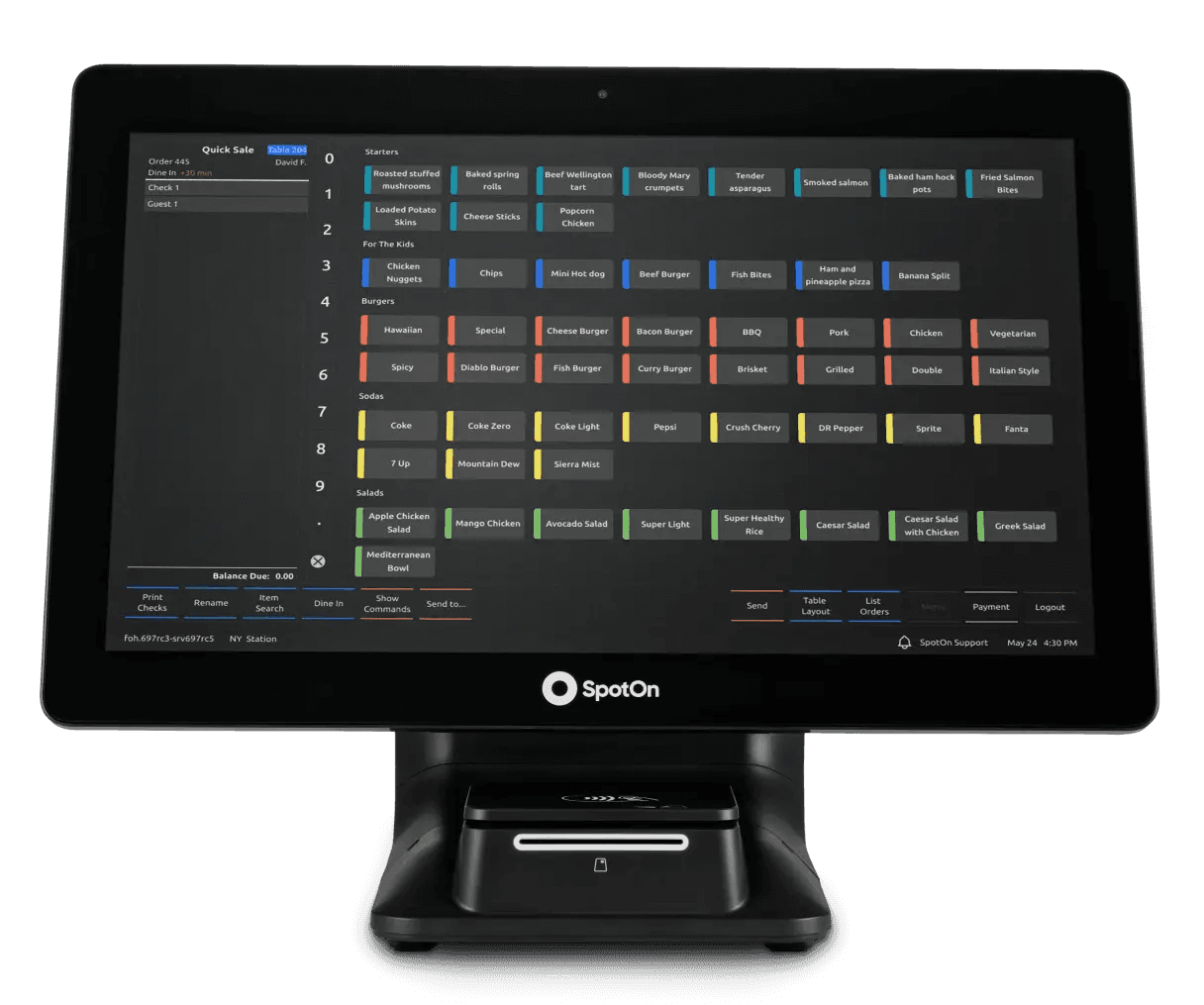
Point-of-sale terminal interface displaying a complex restaurant menu layout optimized for speed and accuracy.

Category:

Customer Experience, Research, Branding

Client:

SpotOn

Duration:

2 Years

Location:

San Francisco, USA

A customer and a sales representative engage in a discussion at a motorcycle dealership, with scooters and motorcycles displayed prominently in the background, creating an industrial and professional atmosphere.
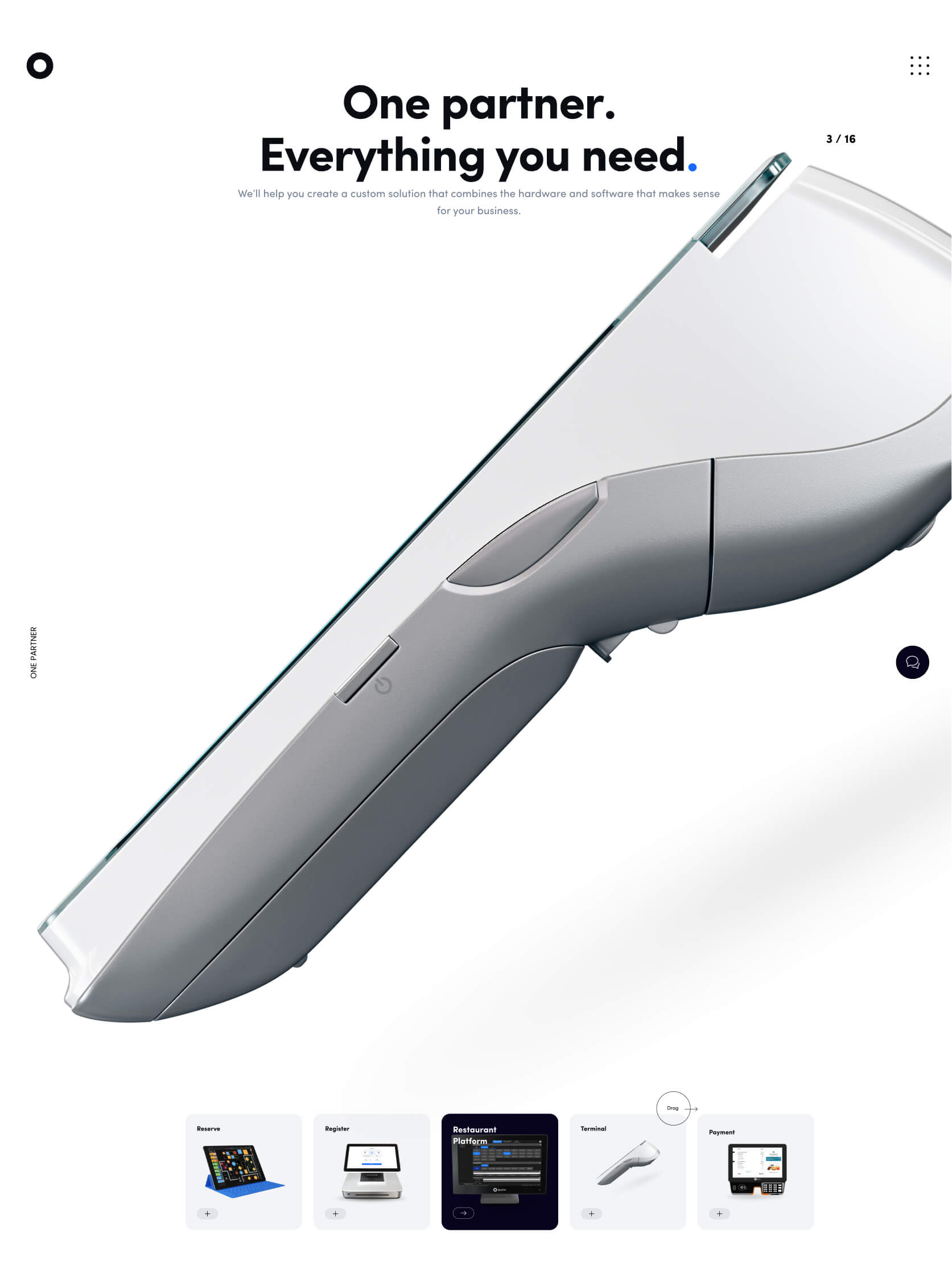
A sleek, modern point-of-sale terminal is prominently displayed, featuring a minimalist design with smooth lines and a gleaming, white finish, set against a clean, white background with minimalistic text indicating a comprehensive business solution.
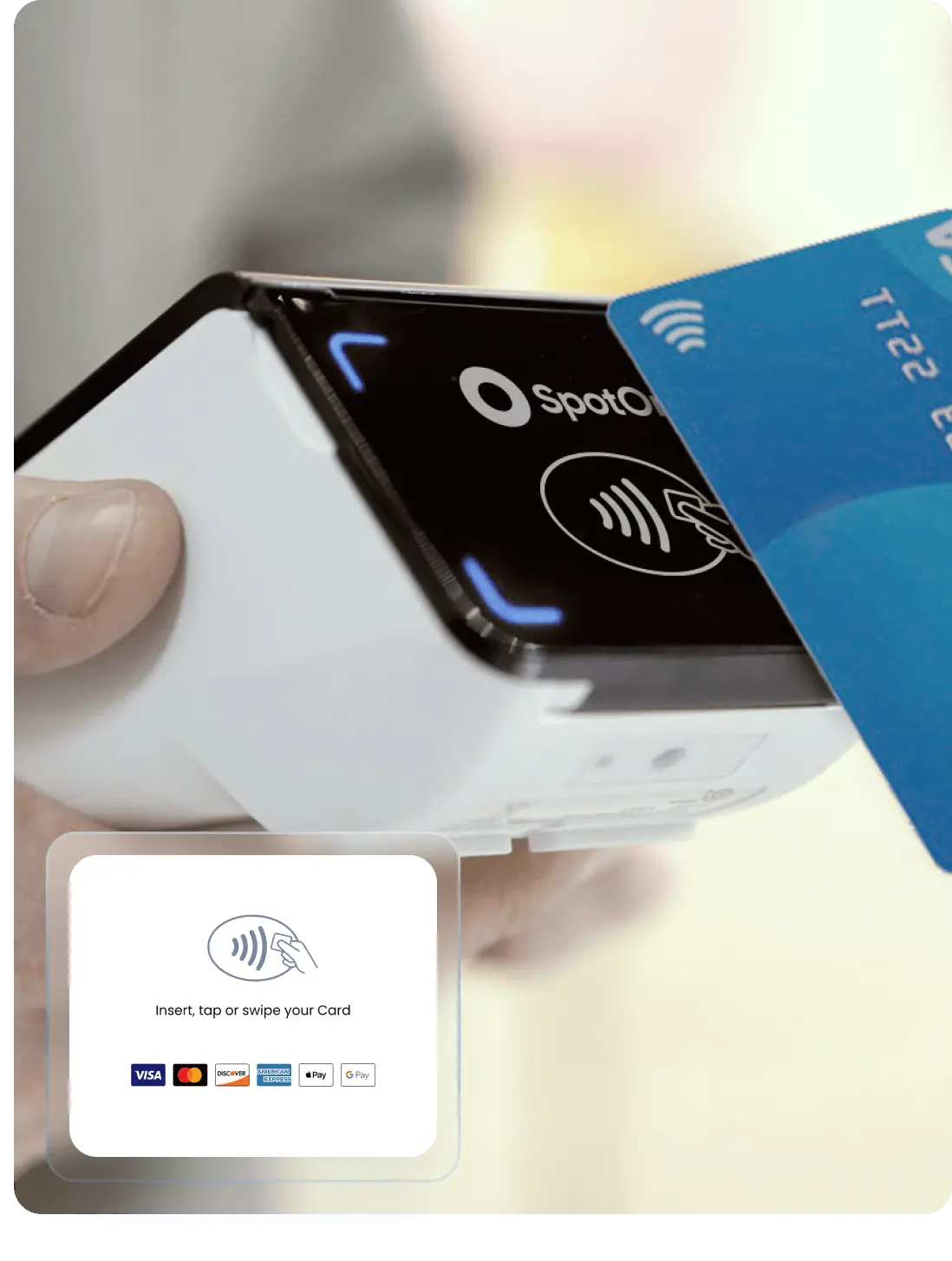
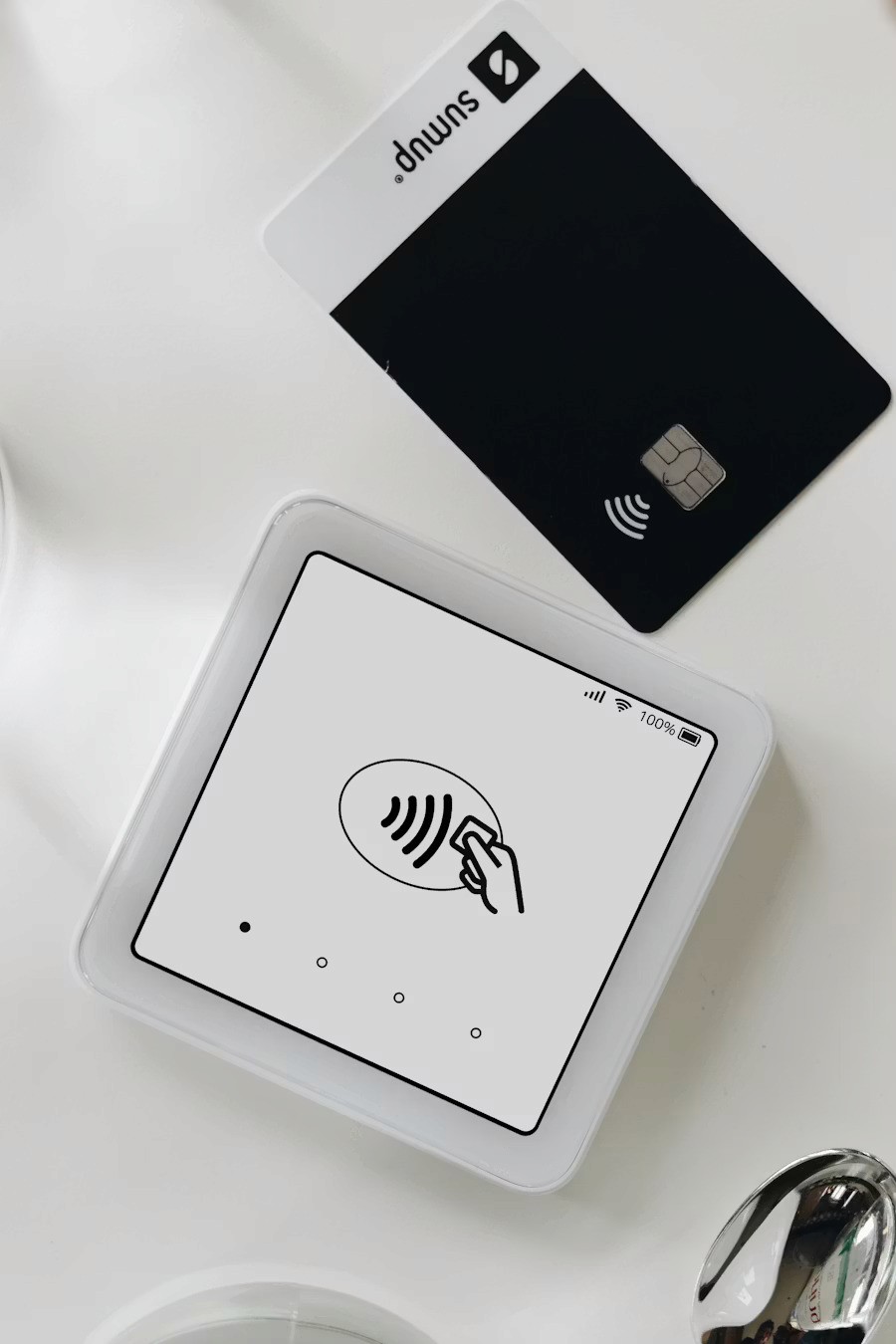
A person holds a wireless card reader while a contactless payment card is being swiped over it, indicating a modern, cashless transaction.
Mobile app interface on a dark theme displaying details of a sleek, modern card payment terminal, with sections highlighting product specifications including dimensions, weight, and connectivity options like Apple Pay and Google Pay.
© PHD / HEAD OF UX
www.danielmitev.com
The future is now
© PHD / HEAD OF UX
The future is now
© PHD / HEAD OF UX
The future is now
© Daniel Mitev
www.danielmitev.com
The future is now
© Daniel Mitev
The future is now
© Daniel Mitev
The future is now

FAQ.

Image of Senior UX designer sitting on blue beanbag chair, representing expertise in UX design and strategy.

What People Usually Ask Before We Work Together (FAQs)

01

What do you actually do?

02

What’s your background in UX?

03

Do you work with AI products?

04

How is your UX approach different from typical design work?

05

Do you teach or mentor designers?

06

What is the “AI in UX” course?

06

Can people work or collaborate with you?

What do you actually do?

What’s your background in UX?

Do you work with AI products?

How is your UX approach different from typical design work?

Do you teach or mentor designers?

What is the “AI in UX” course?

Can people work or collaborate with you?

What do you actually do?

What’s your background in UX?

Do you work with AI products?

How is your UX approach different from typical design work?

Do you teach or mentor designers?

What is the “AI in UX” course?

Can people work or collaborate with you?