Home

Work

My Story

A circular logo with the words 'USER EXPERIENCE - USER INTERFACE - CREATIVE DIRECTION' encircling 'ARCHITECT OF THE UNSEEN' in the center, featuring the initials 'DM' at the top.

Articles

Studio TrueForm

Contact

A circular logo with the words 'USER EXPERIENCE - USER INTERFACE - CREATIVE DIRECTION' encircling 'ARCHITECT OF THE UNSEEN' in the center, featuring the initials 'DM' at the top.

Home

Work

My Story

A circular logo with the words 'USER EXPERIENCE - USER INTERFACE - CREATIVE DIRECTION' encircling 'ARCHITECT OF THE UNSEEN' in the center, featuring the initials 'DM' at the top.

Articles

Studio TrueForm

Contact

Thursday, September 12, 2024


Case Study Overview

This case study covers the end-to-end design of Bintex, a cryptocurrency trading platform built specifically for the South African market.
The work included brand strategy, visual identity, and UX design for a mobile-first trading application.

The primary goal was to create a secure, accessible, and cost-transparent trading experience that worked for both novice and experienced users.


Problem Statement

Bintex hero visual showing a confident trader celebrating, overlaid with the message Trading Together, Growing Together and bold geometric brand patterns.

South African cryptocurrency traders face several persistent challenges:

  • High transaction fees

  • Limited access to global markets

  • Ongoing security concerns

Existing platforms often prioritize advanced functionality over clarity, which increases friction and reduces trust.
Bintex set out to challenge this model by offering a platform designed around local needs and global access.

Context and Constraints


South African user checking a mobile phone outdoors, representing everyday access to cryptocurrency trading in a local context.


  • Market focused on South Africa

  • Highly competitive crypto and fintech space

  • Users with mixed experience levels

  • Strong regulatory and security expectations

The solution had to balance simplicity with depth while maintaining credibility in a sensitive financial domain.

My Role

I worked as a UX Strategist and Product Designer, responsible for:

  • Brand strategy and positioning

  • End-to-end UX design

  • Information architecture and flows

  • Visual identity aligned with usability and trust

The work covered research, concept definition, interaction design, and validation.

Research and Discovery

We began with structured research to understand both market dynamics and user behavior.

Research Activities
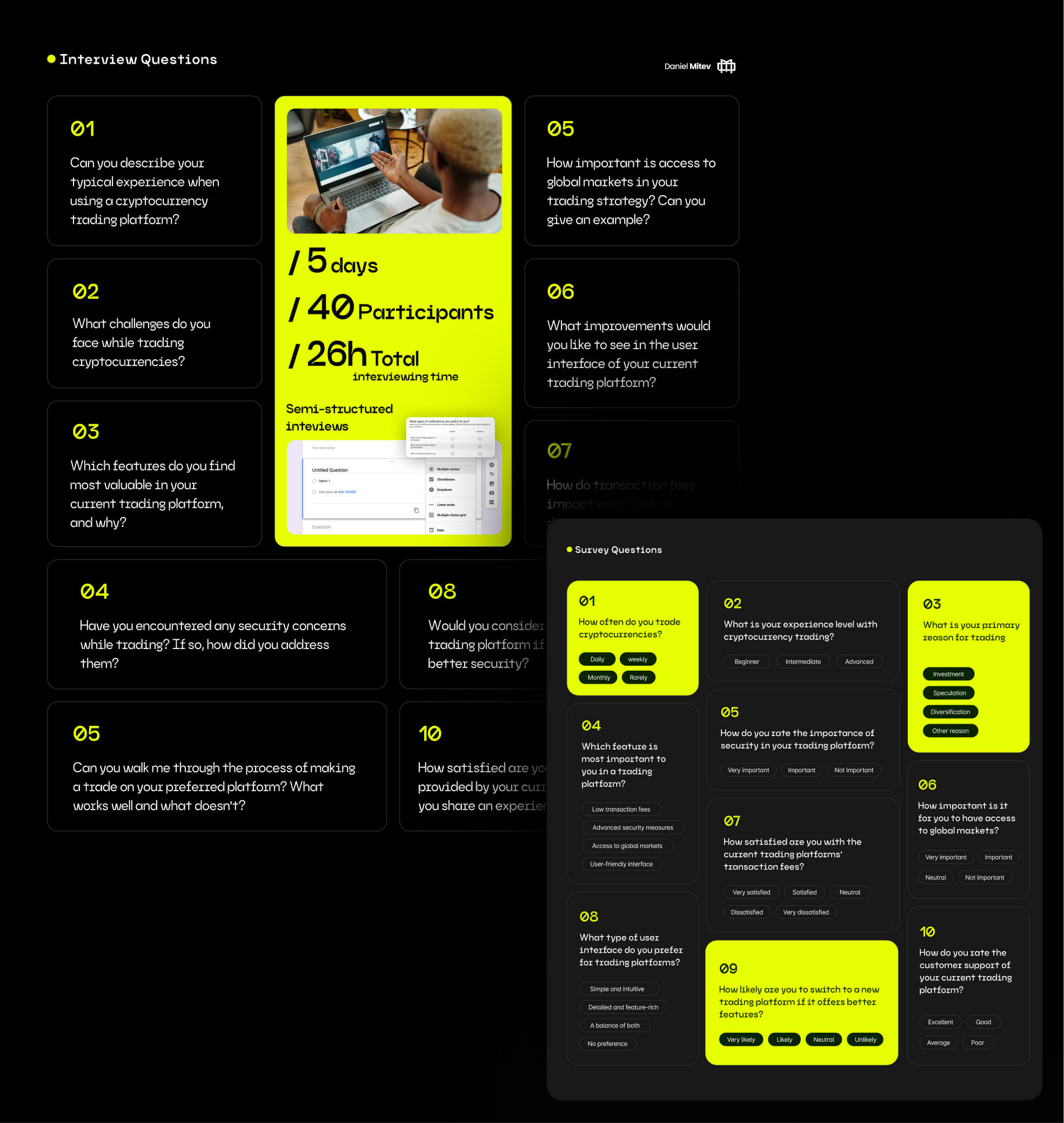

Research summary board showing interview questions, survey structure, participant count, research duration, and semi structured interview setup.


  • Market analysis of competitors such as Luno, VALR, and Binance

  • Surveys and interviews with potential users in South Africa

  • Semi-structured interviews conducted over five days with 40 participants

The research revealed a strong demand for lower fees, clearer interfaces, and better access to global markets.

Image to include:
Research summary slide showing survey results, key metrics, and insight clusters.

User Insights

Survey insights dashboard highlighting key statistics on trading frequency, transaction fees, security importance, experience level, and market access needs.

Key findings from research:

  • 60 percent of users trade weekly

  • 72 percent rate security as very important

  • 75 percent are likely to switch platforms for lower fees and better security

Users wanted a platform that felt secure without being overwhelming and powerful without being complex.

Strategy and Positioning

Primary user persona profile for a South African financial analyst, including goals, frustrations, location, and technology proficiency.


Based on insights, we defined Bintex as a secure, globally connected trading platform built for South Africans.

The strategy focused on:

  • Making security visible and understandable

  • Reducing perceived and real transaction costs

  • Simplifying complex trading actions

Brand and UX were developed together to ensure consistency across all touchpoints.

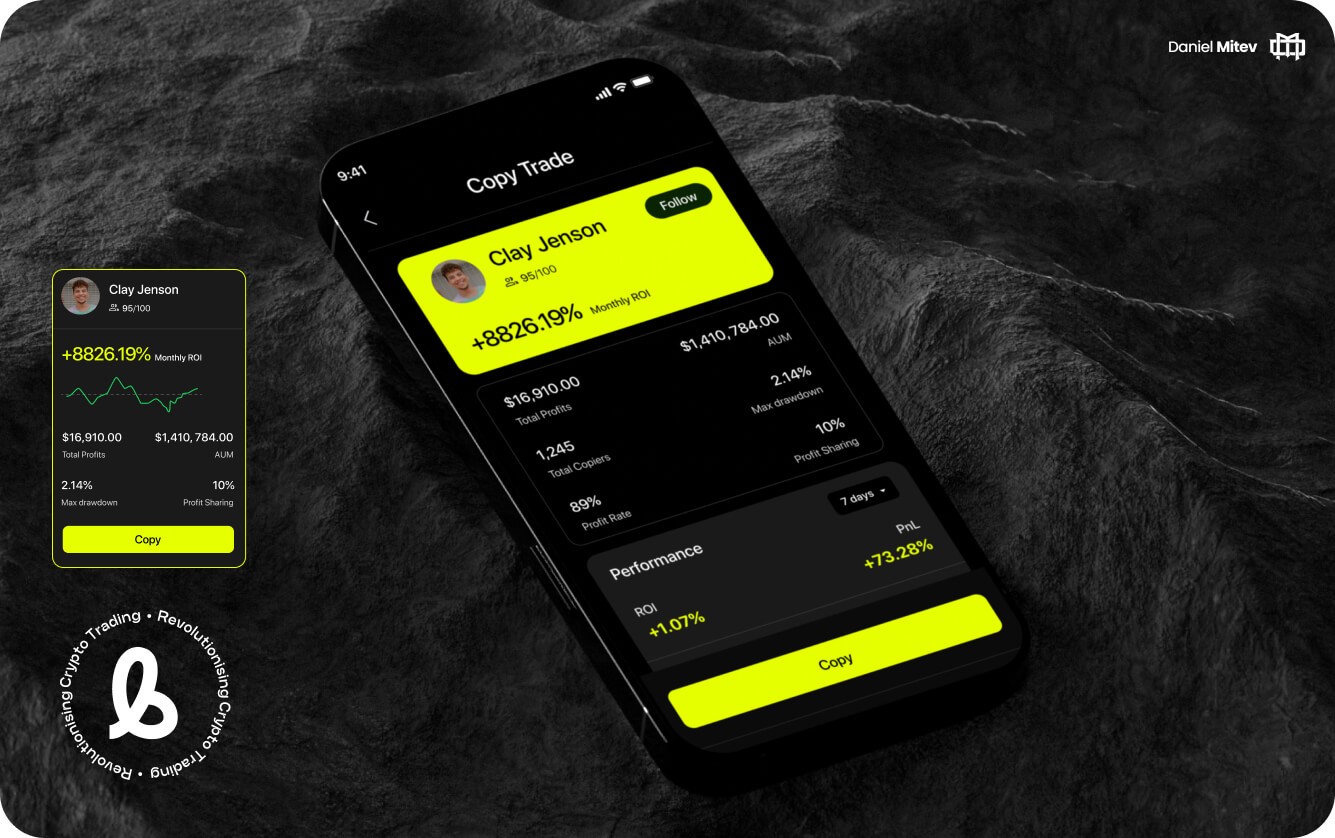
High fidelity mobile screen showing a copy trading feature with trader performance metrics, returns, and follow actions.


Information Architecture and UX Design

Information architecture diagram illustrating the Bintex app structure from welcome screen through onboarding and core product areas.User journey map visual outlining stages from awareness to retention, including actions, emotions, pain points, and UX opportunities.

We structured the application to support clear progression from onboarding to advanced trading.

Core UX Principles

  • Clear next steps at every stage

  • Progressive disclosure of complexity

  • Consistent feedback and confirmation

This ensured that new users could start quickly while experienced traders retained control.


Key User Flows

Onboarding Flow


  • Welcome screen

  • Account creation and email verification

  • Profile setup, KYC verification, and dashboard access

Trading Flow

  • Select trading pair

  • View market data

  • Place and confirm order

Deposit and Withdrawal Flow


  • Select currency

  • Enter details

  • Review and confirm transaction


Prototyping and Usability Testing

High-fidelity prototypes were created and tested across multiple iterations.

Testing focused on:

  • Comprehension of trading actions

  • Clarity of fees and confirmations

  • Perceived security during sensitive actions

Feedback was incorporated to refine flows, labels, and interaction patterns.

Image to include:
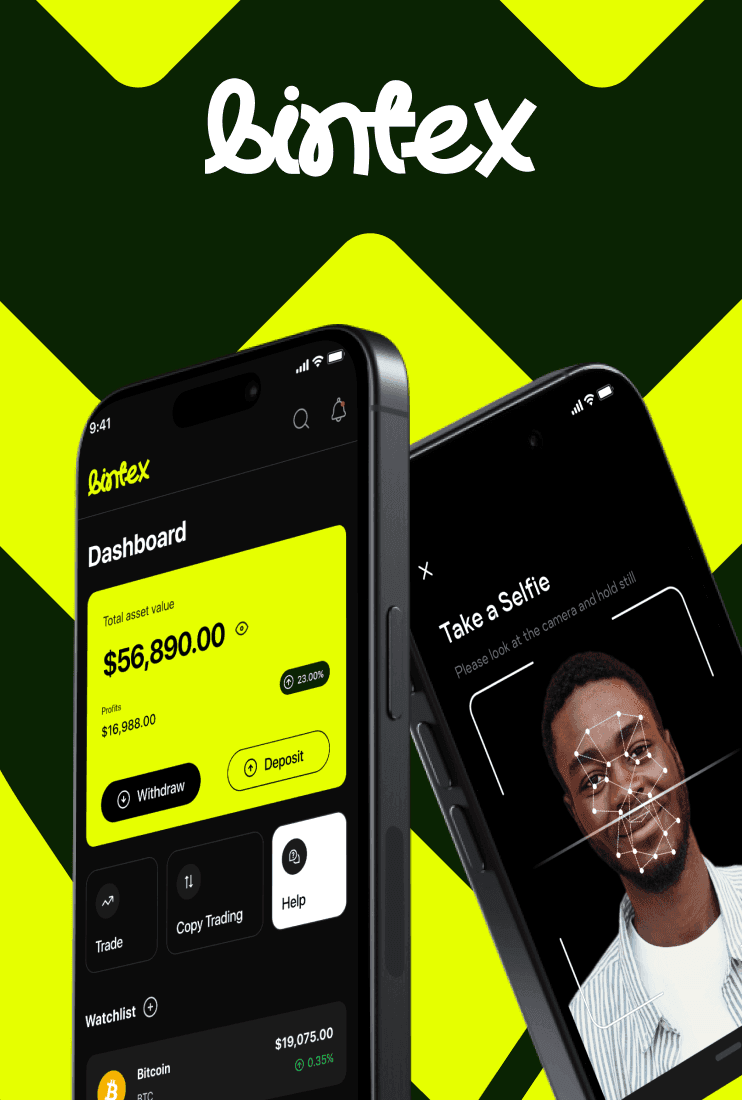
High-fidelity screens showing dashboard, trading, and copy trading views.

Visual Design and Brand System

Visual design system overview showing Bintex color palette, typography scale, and brand components optimized for readability and contrast.


The visual identity supported usability and trust through:

  • High contrast and clear hierarchy

  • Consistent color usage for status and actions

  • Typography optimized for readability

Security features such as 2FA and KYC were visually integrated to reassure users during critical moments.


Email verification and account confirmation screens demonstrating secure onboarding and validation steps within the Bintex app.

Outcomes and Impact

The final product delivered:

  • A clear and intuitive trading experience

  • Strong trust signals through UX and brand alignment

  • A platform positioned competitively within the South African market

Bintex established itself as a credible alternative to global platforms by focusing on local needs.

Tools and Methods Used

  • User research and interviews

  • UX strategy and information architecture

  • Wireframing and prototyping

  • Visual identity and UI design

  • Usability testing and iteration

Why This Case Study Matters

This project demonstrates how UX strategy, brand thinking, and fintech constraints can be aligned to create meaningful user experiences.
It shows the ability to design complex financial systems with clarity, responsibility, and user focus.


Product outcome visual combining real user context and mobile trading screens to demonstrate trust, usability, and real world application.

This project was commissioned to my design studio, TrueForm, and delivered in close collaboration with the client.

Category:

Fintech, UX, Strategy, Branding

Client:

Lucent Inc.

Duration:

8 – 9 Weeks

Location:

Tokyo, Japan

A gray-haired man smiles while looking at his smartphone against a backdrop of a blue sky filled with fluffy white clouds.
Pool
Pool
Pool
The image shows a smartphone displaying a cryptocurrency trading app interface, featuring a user profile with performance metrics, follower count, and trading details against a textured dark background.
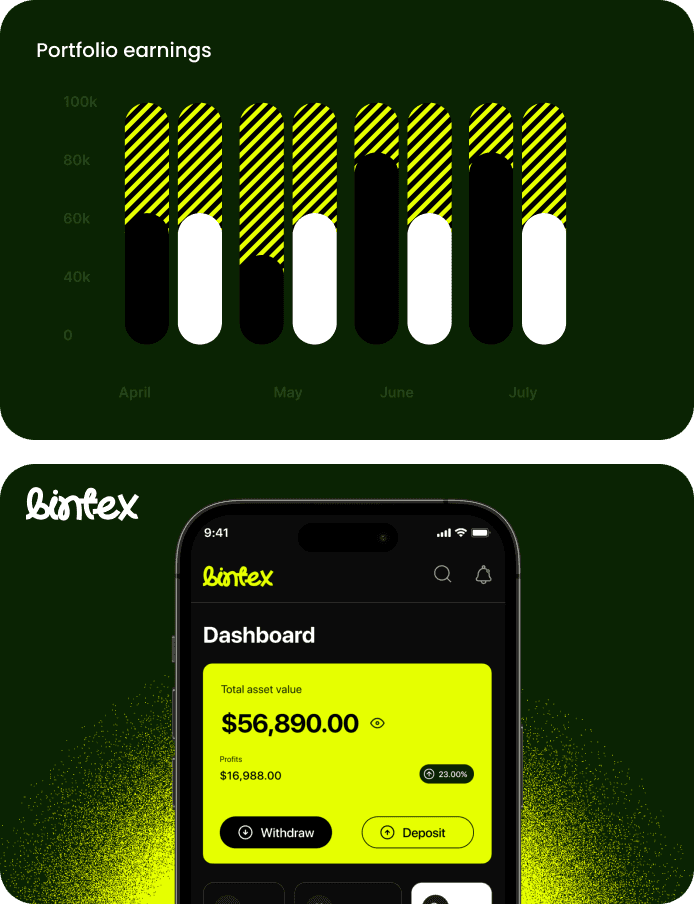
The image features a graph illustrating portfolio earnings, with colored bars indicating differing values for April through July, and below it is a mobile phone screen displaying the dashboard of a finance app showing total asset value and options for withdrawal and deposit.
© PHD / HEAD OF UX
www.danielmitev.com
The future is now
© PHD / HEAD OF UX
The future is now
© PHD / HEAD OF UX
The future is now
© Daniel Mitev
www.danielmitev.com
The future is now
© Daniel Mitev
The future is now
© Daniel Mitev
The future is now

FAQ.

Image of Senior UX designer sitting on blue beanbag chair, representing expertise in UX design and strategy.

What People Usually Ask Before We Work Together (FAQs)

01

What do you actually do?

02

What’s your background in UX?

03

Do you work with AI products?

04

How is your UX approach different from typical design work?

05

Do you teach or mentor designers?

06

What is the “AI in UX” course?

06

Can people work or collaborate with you?

What do you actually do?

What’s your background in UX?

Do you work with AI products?

How is your UX approach different from typical design work?

Do you teach or mentor designers?

What is the “AI in UX” course?

Can people work or collaborate with you?

What do you actually do?

What’s your background in UX?

Do you work with AI products?

How is your UX approach different from typical design work?

Do you teach or mentor designers?

What is the “AI in UX” course?

Can people work or collaborate with you?